
Inlays and Onlays in Harrison, NY
Inlays and Onlays at Saxon Woods Dental
Weakness in a tooth because of decay, cracks, and a worn-out surface may make it difficult for one to chew food normally. In cases where there is a need for added support to the tooth without requiring the use of crowns, the dentist may consider using inlays or onlays.
At Saxon Woods Dental, we understand the importance of ensuring your teeth remain strong. As such, inlays and onlays are special customized fillings that are used to repair damaged sections of a tooth without compromising its integrity.
If you are looking for inlays and onlays in Harrison, NY, a dental consultation will help you find out if this treatment is ideal for you. Your dentist will be able to advise on the best treatment depending on the state of your tooth.
What Are Dental Inlays and Onlays?
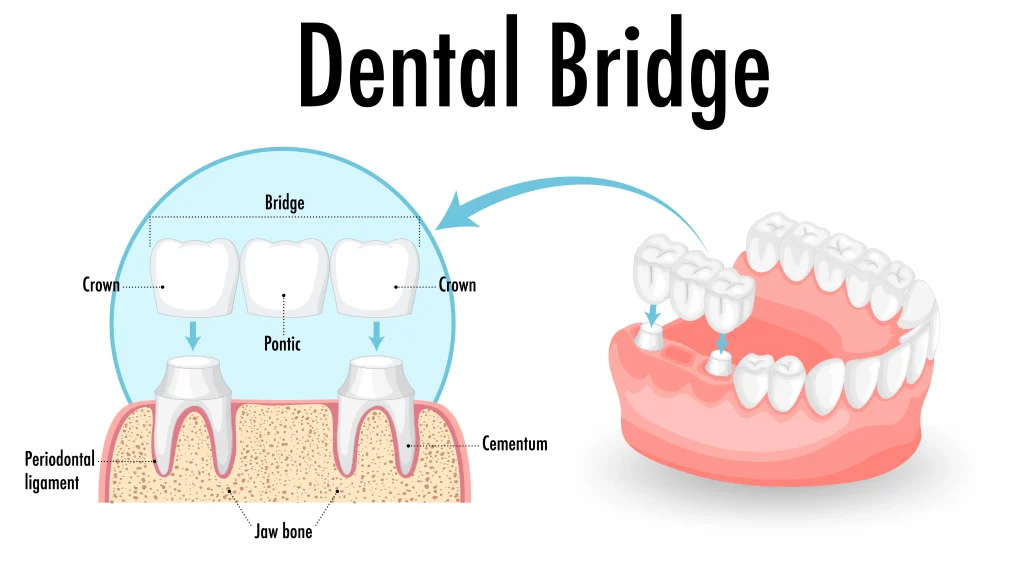
Dental inlays and onlays are restorations made outside the mouth and fitted to a prepared tooth. They are often considered when a tooth needs more extensive repair than a conventional filling can provide, but a full crown may not be necessary.
A dental inlay fits within the grooves and cusps of a tooth without covering the raised cusps. It restores the damaged area while preserving the surrounding tooth structure.
A dental onlay extends over one or more cusps of a tooth. It is used when a larger portion of the tooth needs restoration or additional coverage.
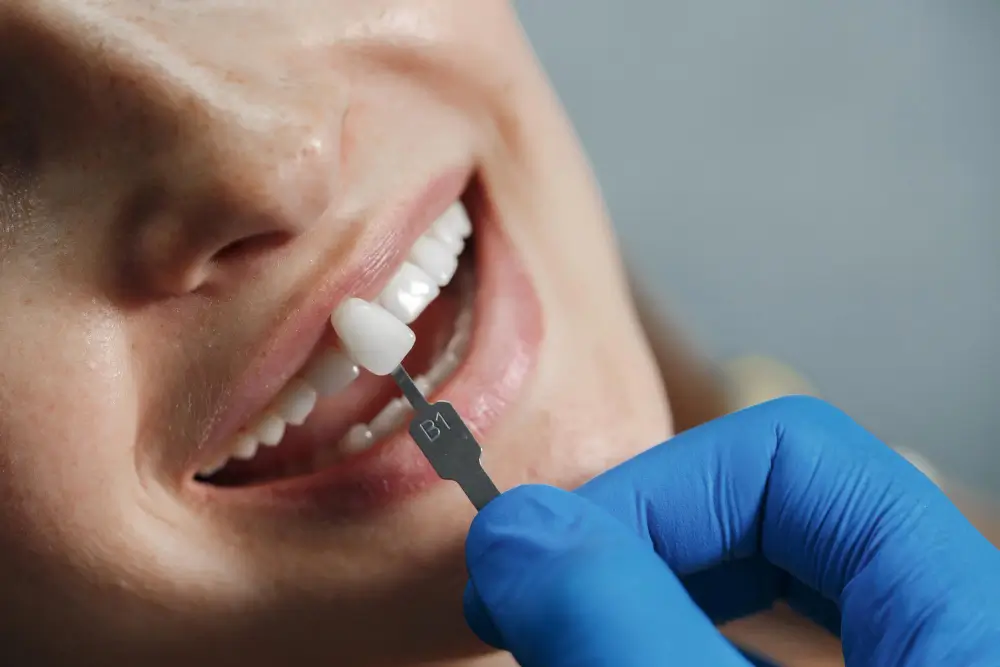
Depending on your needs, these restorations may be made from porcelain, ceramic, metal alloys, or other suitable dental materials. Your dentist will help determine which material is appropriate based on the tooth’s location, functional requirements, and appearance.
When Might We Recommend Inlays or Onlays?
They work best when the damage to the tooth is more than a filling but less than what a crown can fix. In the examination process, we inspect your tooth as well as the amount of its healthy part. We suggest this treatment to you if you have:
- – Decayed teeth and the condition requires a custom-made tooth repair, not just a regular filling.
- – Cracked or fractured tooth and the degree of damage is such that an inlay or onlay fits the situation.
- – Tooth surfaces that are worn out and the wear affects their aesthetic or functionality.
- – A filling in place that needs to be replaced.
Not every damaged tooth might be suitable for this type of treatment. The more damage to the tooth there is, the other kind of treatment will be better.
Inlays and Onlays vs. Fillings and Crowns
It’s easier to talk with us about your options once you know how they differ.
Fillings. A filling goes straight into a prepared cavity, and it’s usually the choice for small to moderate damage. It can be enough when plenty of healthy teeth are left to hold it.
Inlays and onlays. These are custom-made for one area of the tooth. An inlay restores the space between the cusps, and an onlay goes over one or more cusps when the tooth needs more coverage.
Crowns. A crown covers most or all of the part of the tooth you can see. We may suggest one when the damage is extensive, or the tooth needs more overall support.
No single restoration is best for everyone. We will look at how much of the tooth is damaged, your bite, and what is left of the tooth, and then tell you which one we’d choose and why.
What to Expect During the Inlay or Onlay Procedure
We begin with an exam and a talk about your symptoms and what’s worrying you. We look at the damaged tooth and discuss whether an inlay, onlay, filling, or crown makes sense. If we recommend an inlay or onlay, treatment usually goes like this:
- Tooth Preparation: We remove decay or damaged tooth structure and shape the area to receive the restoration. When it’s appropriate, we use local anesthesia so you stay comfortable.
- Impressions or Digital Scans: Next, we record the shape of the prepared tooth with impressions or digital scans. The restoration is made from those records so it fits your tooth.
- Custom Restoration: The inlay or onlay is made from a dental material that suits your tooth. Depending on the material and the technology we have, it may come from a dental laboratory or be produced with digital technology in our office.
- Placement and Bite Check: When the restoration is ready, we check how it fits and touches the teeth next to it. Then we bond or cement it in place, whichever suits the case, and check your bite so it feels comfortable when you chew.
How many visits you need depends on your plan and on how the restoration is made.
What Are the Benefits of Inlays and Onlays?
When they are the right choice for your tooth, inlays and onlays can do a lot for a damaged tooth.
- – Preserve healthy tooth structure. In this way, we can restore the damaged area without having to crown the whole tooth.
- – Improve chewing ability. By restoring the tooth surface, we are able to restore its shape and function.
- – Guarantee proper fit. All restorations are customized according to the prepared tooth area.
- – Be aesthetically pleasing. Materials are matched in color with other teeth.
- – Strengthen a weak tooth. An onlay can be used to cover weakened cusps.
The success and durability of the restoration depend on the degree of tooth damage, the material used, the location of the tooth, and your occlusion. Even the most successful restoration cannot substitute for routine dental care.
How to Care for Your Inlay or Onlay
Keeping your mouth clean protects the restoration and the natural tooth under it. After treatment, we suggest that you:
- Brush twice a day with fluoride toothpaste.
- Floss every day between your teeth.
- Come in for regular checkups and cleanings.
- Stay away from chewing hard objects that could damage the restoration.
- Call us if you notice lasting sensitivity, discomfort, or a change in your bite.
An inlay or onlay doesn’t stop new decay or damage from happening later. Steady care at home and in our office is what keeps your teeth and restorations in good shape.
Frequently Asked Questions About Inlays and Onlays
What is the difference between an inlay and an onlay?
An inlay fits inside the cusps of a tooth. An onlay covers one or more of them. We usually choose an onlay when a larger area needs restoring or covering.
Is an onlay better than a crown?
Not always. An onlay can work well when enough healthy teeth are left to support it. A crown may be the better choice when the tooth needs more coverage or strength. We will examine the tooth before we recommend one.
Can dental inlays and onlays look natural?
Yes. We can use tooth-colored materials, such as certain ceramics, so the restoration blends in with your other teeth. The material we choose depends on where the tooth is, what it needs to do, and your treatment plan.
How long do inlays and onlays last?
It varies. The material, your oral hygiene, how hard you bite, and other personal factors all matter. Regular checkups and good care at home let us keep an eye on the restoration and your oral health.
Are inlays and onlays suitable for every damaged tooth?
No. It depends on how much of the tooth is damaged and how much healthy structure is left. Once we’ve examined the tooth, we may find a filling, onlay, crown, or something else is the better fit.
Why Choose Saxon Woods Dental?
Dr. Leena Rajpal, DDS, treats each tooth as its own case. We look at the condition of your tooth, explain your options, and help you see why one restoration might suit you better than another.
We want you to feel sure about the decision you make. If someone has told you a filling may not be enough, come see us, and we will look at the tooth and talk about whether an inlay, onlay, or crown makes sense.
Schedule a Dental Consultation in Harrison, NY
If you have a damaged tooth or an old filling that needs attention, an exam can show you where you stand. Get in touch with us, tell us what’s bothering you, and we will work out the next step together.
Ready to have your tooth looked at? Call (914) 630-4980 to book an appointment with Dr. Leena Rajpal at our Harrison, NY, office.