Tooth Extractions in Harrison, NY
A tooth that hurts all the time makes everything harder. Eating gets uncomfortable, talking gets distracting, and sleep suffers. We always try to save a natural tooth when we can. Sometimes, though, a tooth is too decayed, too broken, or too infected to repair in a way that will last, and taking it out is the safest choice. Before we suggest that, we examine the tooth and go over every option with you.
At Saxon Woods Dental in Harrison, NY, we know that having a tooth pulled brings up worries about pain, recovery, and what happens to your mouth afterward. We’ll evaluate your teeth, explain your choices, and tell you what to expect before and after the procedure.
If you have a painful or damaged tooth, call us at (914) 630-4980 to schedule a consultation. We we will help you work out whether extraction is the right step.
What is tooth extraction?
An extraction is a procedure that removes a tooth from its socket in the jawbone. Depending on the tooth’s position, its condition, and how easy it is to reach, we may recommend a simple or a surgical extraction.
Simple extraction
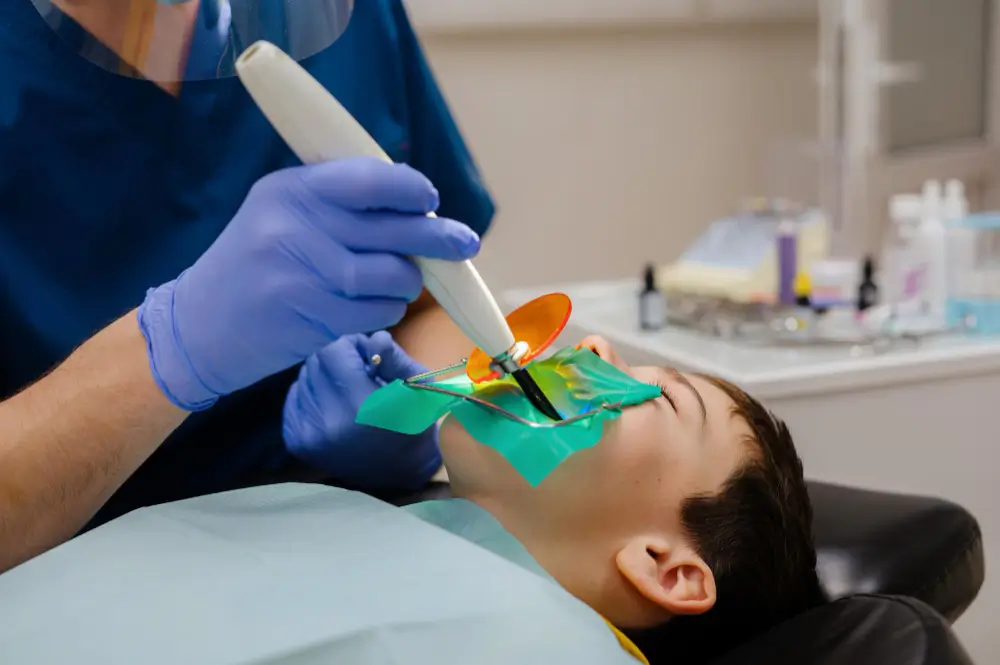
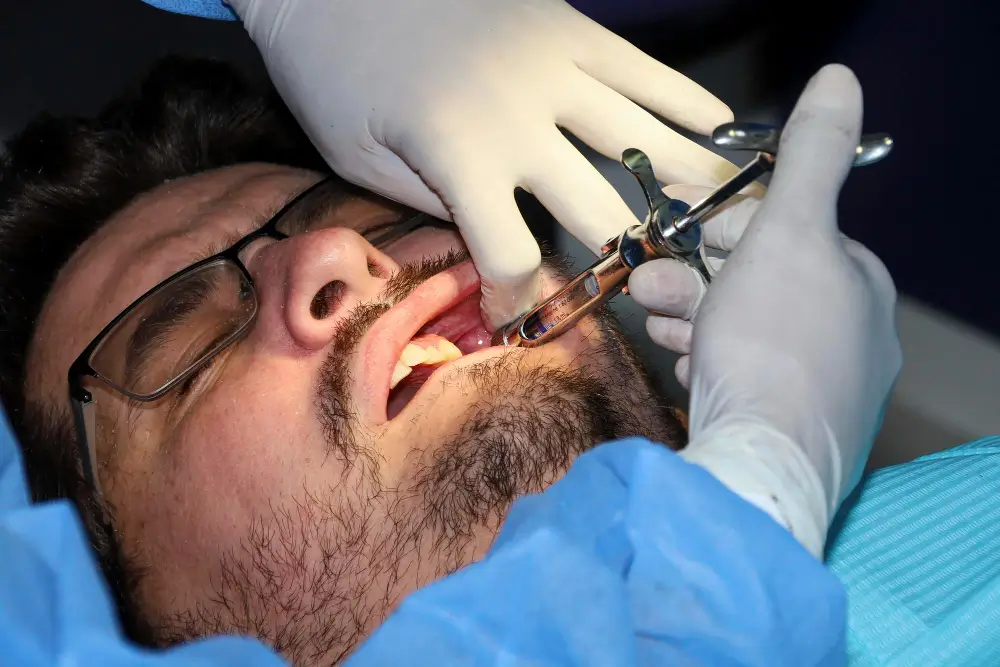
We use a simple extraction when the tooth is visible above the gumline and we can reach it without surgery. We numb the area with local anesthesia, carefully loosen the tooth, and lift it out of the socket.
Surgical extraction
We may need a surgical extraction when a tooth has broken off near the gumline, sits in a hard-to-reach spot, or is impacted under the gums. The procedure can involve a small cut in the gum tissue, or dividing the tooth into sections so it comes out more easily.
We’ll examine the tooth and tell you which approach fits your situation.
When is an extraction necessary?
We try to keep natural teeth whenever we can. We may recommend taking a tooth out when it’s too damaged or unhealthy to restore with confidence.
Common reasons include:
- Severe decay. Extensive decay can weaken a tooth past the point of repair.
- Significant damage. A fracture can run too far below the gumline to restore predictably.
- Certain infections. An infected tooth that can’t be saved with treatment may need to come out.
- Advanced gum disease. Severe damage to the supporting tissue can loosen a tooth.
- Impacted teeth. A tooth that can’t come in properly sometimes needs surgical removal.
- Overcrowding. Extraction is occasionally part of an orthodontic plan.
Removal isn’t always the only choice. We’ll talk about alternatives and explain what each one can and can’t do before we go ahead.
What can an extraction do for you?
Saving the natural tooth is usually the goal, but when other treatments won’t work, taking a tooth out can solve certain problems.
- It deals with a tooth that can’t be restored. Removing it can end the trouble that tooth has been causing.
- It can help manage an infection. Extraction may be part of the treatment when an infected tooth can’t be saved.
- It can relieve discomfort. Taking out a problem tooth may ease pain from certain dental conditions.
- It can support the rest of your plan. In some cases we recommend extraction before orthodontic work or other procedures.
- It opens the way to a replacement. Once the area heals, we can consider a bridge, an implant, or a removable partial denture.
What you gain depends on why the tooth is coming out, your oral health, and the plan we recommend.
What to expect during an extraction
Knowing what happens can make the appointment less stressful. The details depend on whether you need a simple or a surgical extraction.
1. We examine the tooth
We look at the tooth, go over your dental and medical history, and may take X-rays to see where the tooth sits and what’s around it.
2. We numb the area
We generally use local anesthesia to numb the area first. We explain the procedure and give you guidance based on what you need.
3. We remove the tooth
For a simple extraction, we carefully loosen the tooth and take it out. A surgical extraction may involve a cut or extra steps if the tooth is broken, impacted, or hard to reach.
4. We give you healing instructions
After the tooth is out, we may place gauze over the site to control bleeding and help a blood clot form. We’ll tell you how to eat, drink, and clean your mouth while it heals.
Recovery and aftercare
Following our instructions protects the site and helps it heal. The first stage of recovery usually takes several days, though full healing can take longer depending on the tooth and how involved the procedure was.
To help your recovery:
- Protect the blood clot. Don’t rinse forcefully, spit, or use a straw in the early days, as we direct.
- Eat soft foods first. Go back to your usual diet gradually as it feels comfortable.
- Keep your mouth clean. Keep brushing, but stay away from the extraction site.
- Don’t smoke. Smoking and tobacco can slow healing and raise the risk of complications.
- Take medication as directed. Use prescribed or recommended medication only the way your dentist or healthcare provider says.
- Come to follow-up visits. We may want to see you again depending on the extraction and how you’re healing.
Some soreness and swelling are normal. Call us if bleeding doesn’t stop with the pressure we showed you, pain keeps getting worse, swelling grows, or you get a fever. Trouble breathing or swallowing, or swelling in your face or neck that spreads quickly, needs urgent medical attention.
FAQ
Can a tooth be saved instead of extracted?
Sometimes. Depending on how much damage there is, a filling, crown, root canal, or another restoration may save it. We’ll check whether the tooth can be preserved safely and predictably before we recommend taking it out.
What is the difference between a simple and a surgical extraction?
We use a simple extraction for a visible tooth that can come out without surgery. A surgical extraction may involve a cut or extra steps to reach a tooth that’s broken, impacted, or hard to get to.
Does an extraction hurt?
We generally use local anesthesia to keep pain down during the procedure. You may feel soreness, tenderness, or swelling afterward. We’ll give you aftercare instructions to help you manage discomfort while you recover.
How long does it take to recover from an extraction?
Many patients feel better over several days. Healing time still varies with the tooth, how complex the extraction was, and your own health. We can explain what recovery may look like for you.
When should I contact a dentist after an extraction?
Call us if you have bleeding that won’t stop, pain that’s getting worse, increasing swelling, a fever, or any symptom that worries you. Severe swelling that affects your breathing or swallowing needs urgent medical attention.
Tooth extraction in Harrison, NY, at Saxon Woods Dental
If you have a painful, damaged, or badly decayed tooth, an exam can show whether it needs to come out or whether another treatment could save it. We will walk you through your options and each step of treatment and recovery.
Call us at (914) 630-4980 to schedule a consultation about tooth removal in Harrison.