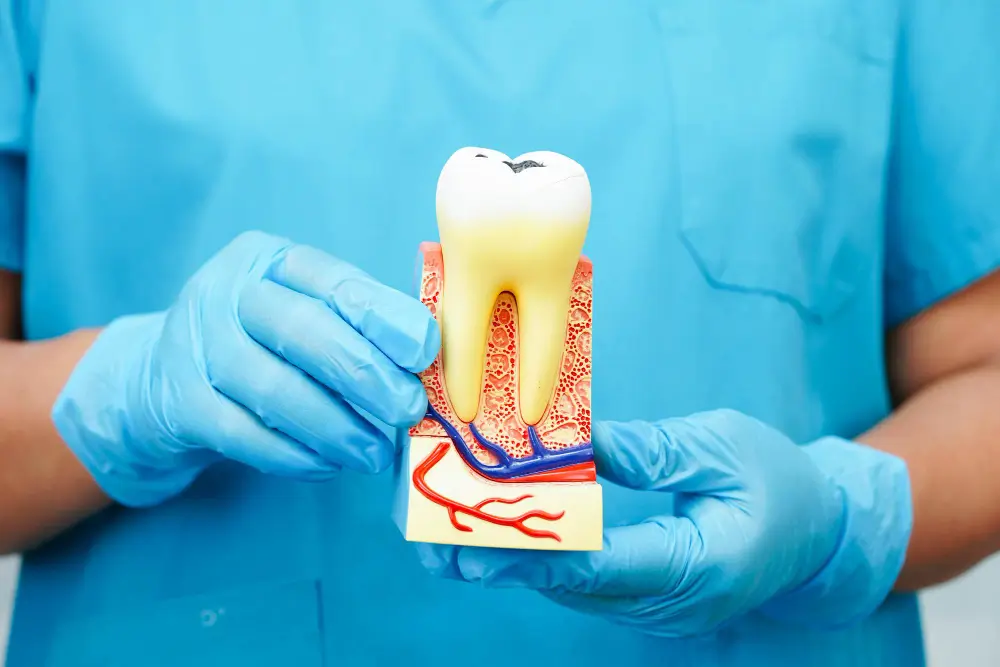
Guided Tissue Regeneration in Harrison, NY
If gum disease has eaten into the bone around your teeth, you’ve probably been told that the bone doesn’t simply grow back. In some cases it can be coaxed to. Guided tissue regeneration, or GTR, is a gum procedure that gives the body a protected space to rebuild some of the bone and tissue that holds a tooth in place.
Here is how it works. We place a small barrier membrane over the damaged area. It keeps fast-growing gum tissue from crowding into the site, so the slower cells that rebuild bone and the periodontal ligament have time to do their job. In some cases we pair it with bone graft material or other regenerative materials.
At Saxon Woods Dental in Harrison, NY, we can examine your gums and tell you whether GTR is a realistic option for you. Call us at (914) 630-4980 to talk about your gum and bone concerns.
What is guided tissue regeneration?
GTR is a periodontal treatment that helps regenerate the tissues supporting your teeth. We most often consider it when gum disease has caused certain kinds of bone and attachment loss around natural teeth.
During the procedure, a dentist or periodontal specialist may place a biocompatible barrier membrane over a carefully prepared area. The membrane holds back certain soft tissues while the slower-growing cells involved in regeneration develop underneath.
Depending on the defect and your treatment plan, GTR can be combined with bone grafting or other regenerative materials.
The goal is to strengthen the support around selected teeth, reduce periodontal defects, and help those teeth stay stable. Results depend on the type and severity of the damage, your overall oral health, and how well you keep up with periodontal maintenance afterward.
Why might you need Guided Tissue Regeneration?
Gum disease damages more than the gum you can see. As it advances, it can destroy the bone and connective tissue that hold your teeth in place.
When that damage forms the right kind of defect, we may consider GTR as part of a larger treatment plan. Reasons include:
- Localized bone loss. Certain defects around teeth can respond to regenerative treatment.
- Deep periodontal pockets. Regenerative procedures may help improve selected areas hit by advanced gum disease.
- Damage to the tissues that support a tooth. Treatment may encourage those structures to rebuild around eligible teeth.
- Certain furcation defects. Bone loss between the roots of some teeth with more than one root may be suitable for regeneration.
- A chance to keep a natural tooth. In the right cases, regeneration can strengthen the support around a tooth that gum disease has affected.
Not every area of bone loss can be regenerated with predictable results. We need a thorough gum evaluation to know whether GTR suits you.
How does Guided Regeneration Work?
GTR creates a protected place for healing around a gum defect. It encourages the tissues that support your teeth to grow back while blocking faster-growing soft tissue cells from moving in.
1. We examine your gums
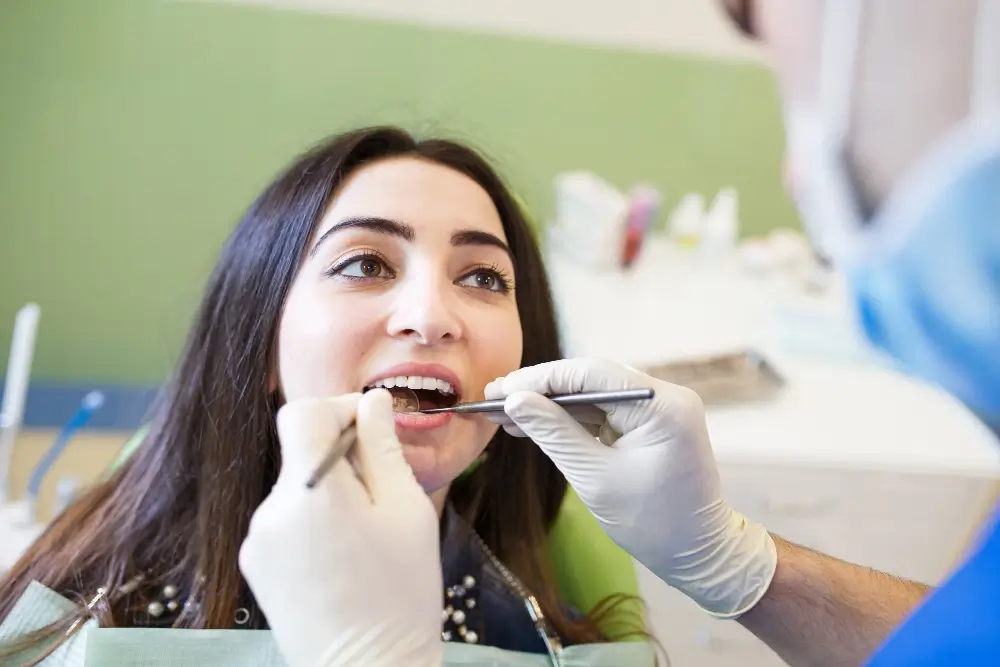
We check your gums, your pocket depths, how stable your teeth are, and where you’ve lost supporting bone. We may use X-rays or other imaging to see the affected area.
2. We plan your treatment
We decide whether the defect can be regenerated and whether you also need more gum treatment, bone grafting, or specialist care.
3. We prepare the area
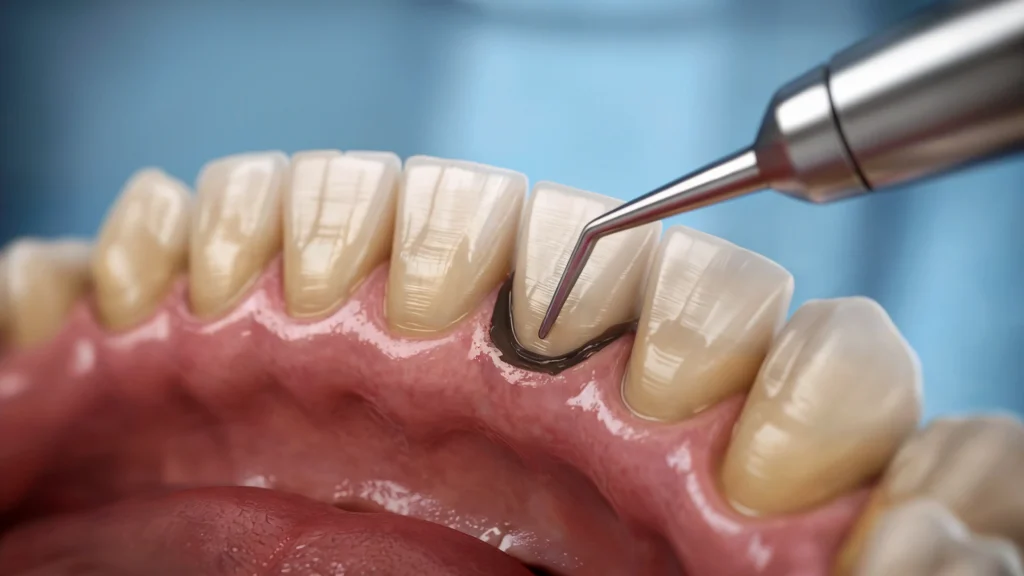
When the procedure is right for you, we open the area and clean out diseased tissue and bacterial buildup.
4. We place the materials
We may cover the defect with a barrier membrane. Depending on your case, we may also use bone graft material or other regenerative materials.
5. You heal, and we follow up
The area heals while regeneration takes place. We see you for follow-up visits to check your healing and your gum health.
Good results also depend on your habits. Excellent daily cleaning, staying away from smoking if you smoke, and regular periodontal maintenance all help.
What can GTR do for you?
For patients it suits, GTR may offer several benefits:
- Encouraging damaged supporting tissues to regenerate
- Improving certain kinds of bone defects around natural teeth
- Reducing the depth of selected defects
- Supporting teeth affected by localized gum damage
- Adding to a complete plan for managing gum disease
GTR can’t promise complete regeneration, and it doesn’t prevent gum disease from returning. Your long-term results depend on how you heal, how well you control plaque, and whether you keep up with professional care.
Guided tissue regeneration in Harrison, NY
If you’re looking into Guided Tissue Regeneration in Harrison NY, understanding your gum condition is the first step toward deciding on treatment.
Saxon Woods Dental is at 550 Mamaroneck Avenue, Suite 110, Harrison, NY 10528. We focus on keeping your mouth healthy and on meeting your restorative and gum care needs.
Whether you are worried about gum loss, bone loss around your teeth, or the health of your natural teeth, an evaluation can make your options clearer. If you need specialized regenerative treatment, we will talk with you about the right path, including a referral to a periodontal specialist when that makes sense.
Saxon Woods Dental 550 Mamaroneck Avenue, Suite 110 Harrison, NY 10528 Phone: (914) 630-4980
Take the next step toward healthier gums
If you have gum disease, or you are worried about the bone and tissue around your teeth, don’t leave your questions hanging. We can look at your gums, go over your options, and tell you whether further evaluation makes sense.
Call us at (914) 630-4980 or request an appointment online.
FAQ
Is GTR the same as a gum graft?
No. GTR aims to regenerate the tissues that support a tooth in selected defects. A gum graft usually adds or moves soft tissue to thicken the gum, cover exposed roots in suitable cases, or address other soft tissue concerns.
What is the difference between guided tissue regeneration and guided bone regeneration?
GTR mainly targets the tissues that support natural teeth. Guided bone regeneration focuses on rebuilding bone volume, often to prepare for dental implants. Both can use barrier membranes and graft materials.
Is GTR painful?
We use appropriate anesthesia to manage discomfort during the procedure. You may have some soreness, swelling, or tenderness while you recover. We will give you specific aftercare instructions and explain how to manage discomfort safely.
How long does GTR take to heal?
Initial healing usually takes days to weeks, and regeneration and maturing of the supporting tissues take longer. The timeline depends on the procedure, how much tissue was damaged, and how you heal. We’ll check your progress at follow-up visits.
How much does GTR cost in Harrison, NY?
Cost depends on how many sites we treat, how complex the procedure is, what materials we use, and whether you need other gum treatment. Contact us to talk about an exam, a personal estimate, and possible insurance coverage.