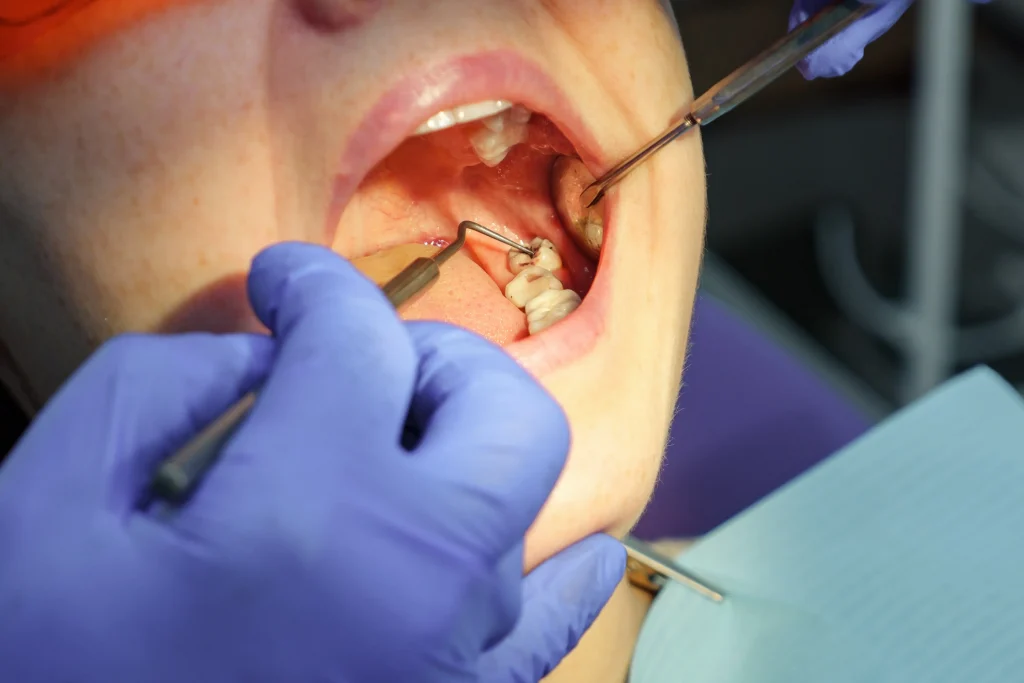
Periodontal Splinting in Harrison, NY
A loose tooth is unsettling. Chewing starts feeling different, and you start wondering how long the tooth will hold, and it’s hard not to keep testing it with your tongue. Periodontal splinting is one way we may be able to steady certain loose teeth by linking them to the teeth beside them for extra support.
At Saxon Woods Dental in Harrison, NY, we start by finding out why the tooth is loose. It could come from gum disease, bone loss, or an injury, and the cause shapes what we recommend. Come in for an evaluation and we will tell you what we see and which options may fit.
Call us at (914) 630-4980 to talk about your symptoms and what support might look like for your teeth.
What is periodontal splinting?
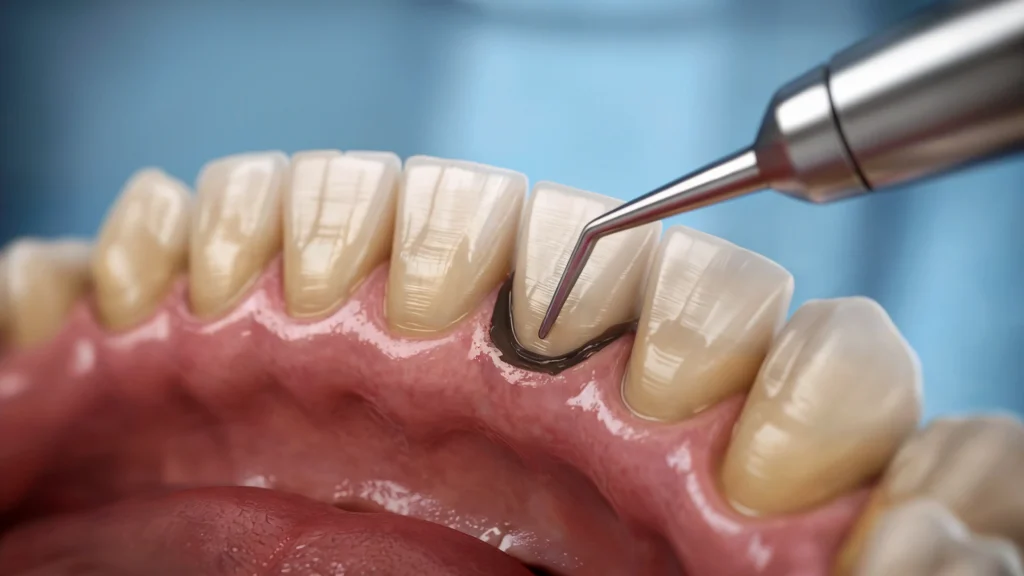
Periodontal splinting connects a loose tooth, or several, to the neighboring teeth so they hold each other steady. Depending on your case, we may use bonding material with a reinforcing fiber, or another splinting method that suits the situation.
The idea is to spread your biting force across the connected teeth, so each loose tooth feels more secure when you eat and talk.
A splint has limits, though. It doesn’t cure gum disease, and it doesn’t bring back bone you’ve already lost. We still need to find out why the tooth is moving and deal with that too.
When might we recommend splinting?
We may consider it when a tooth moves more than it should and needs extra support. Whether it’s the right choice depends on the cause and how serious the problem is.
We may look at splinting if you have:
- Loose teeth from gum disease. Advanced gum disease can damage the bone and tissue that hold your teeth.
- Teeth that move more than expected. We can see this during an exam.
- Discomfort when you bite. Teeth with less support can ache when you chew.
- A change in how your teeth feel. Maybe you notice movement, or your bite doesn’t come together the way it used to.
- An injury to a tooth. Trauma can loosen a tooth, and it needs a professional look.
Not every loose tooth should be splinted. First, we check the bone, your gums, the tooth itself, your bite, and what is causing the movement.
How does splinting work?
A splint links chosen teeth so they support each other. The exact technique depends on your mouth and what we’re trying to achieve.
1. We examine your teeth
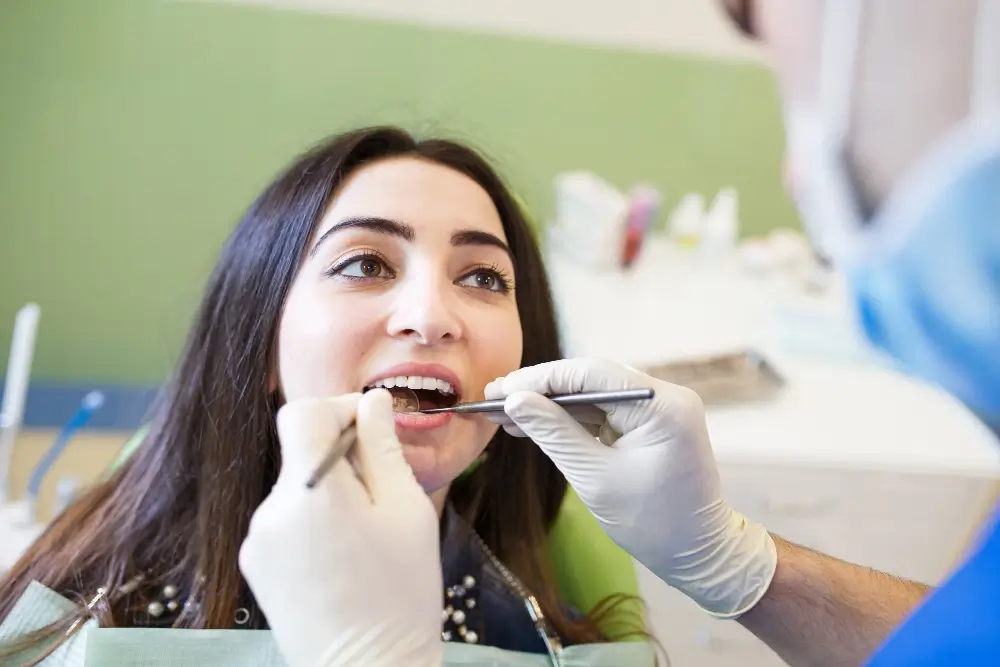
We check how much each tooth moves, how healthy your gums are, how your bite lines up, and how the surrounding tissue looks. We may take X-rays to see the bone and spot other problems.
2. We plan your treatment
We decide whether splinting makes sense and go over your options with you. If gum disease or another condition is behind the movement, we may need to treat that as well.
3. We steady the teeth
When splinting is the right call, we connect the chosen teeth using the technique that suits your case. We check the fit and how the connected teeth work together when you bite.
4. We follow up
We see you again to check the splint, how stable your teeth are, your gums, and your cleaning habits. You may need adjustments or more treatment over time.
Your plan will depend on your own mouth and what you need.
What can splinting do for you?
For patients it suits, splinting can offer some real help:
- More stable teeth. Linking teeth together can cut down movement in some cases.
- More comfortable chewing. Steadying a loose tooth may make biting easier.
- Shared load. The splint spreads force across the connected teeth.
- A boost to your overall plan. We can use splinting alongside gum treatment when it fits.
- Easier day-to-day function. Less unwanted movement can make routine things like eating feel better.
Results vary, and a splint can’t promise that a tooth will be saved. We will explain what to expect, including what splinting can’t do, based on your condition.
Why come to Saxon Woods Dental for periodontal care in Harrison, NY?
Loose teeth and gum problems wear on your comfort and your confidence, so they deserve careful attention. At our Harrison office we offer general and preventive dental care along with periodontal-related care. We make a point of explaining what is happening in your mouth and what your choices are.
If you are worried about loose teeth, receding gums, or any change in how your teeth feel, an evaluation can point to the cause and show whether gum treatment or extra support makes sense.
Saxon Woods Dental 550 Mamaroneck Avenue, Suite 110 Harrison, NY 10528. Phone: (914) 630-4980
Take the next step toward steadier teeth
Don’t ignore a loose tooth, especially if gum disease or bone damage might be involved. An early evaluation helps us find the cause and tell you what treatment is possible.
Call us at (914) 630-4980 to talk through your concerns and request an appointment. We’ll check your gums, explain your options, and help you plan what comes next.
FAQ
Can periodontal splinting save a loose tooth?
It may steady certain loose teeth, but we can’t promise a tooth will be saved. Whether splinting is appropriate depends on what’s causing the movement, how much bone supports the tooth, and the overall condition of your teeth.
Is splinting painful?
We aim to keep the procedure comfortable. Some people feel temporary sensitivity or soreness. We will tell you what to expect based on the technique we are considering for you.
How long does a splint last?
It varies. The materials, your biting forces, how well you clean, and the condition of the supporting teeth all matter. Regular visits let us spot when a repair or adjustment is needed.
Can I eat normally after splinting?
We may ask you to avoid hard or sticky foods that could damage the splint. Follow the eating and cleaning instructions we give you for your treatment.
How is splinting different from a periodontal maintenance cleaning?
Splinting connects selected teeth to make them more stable. A maintenance cleaning is ongoing professional care for people with a history of gum disease. Depending on what you need, your plan might include both.
Where can I get periodontal care in Harrison, NY?
Saxon Woods Dental is at 550 Mamaroneck Avenue, Suite 110, Harrison, NY 10528. Call (914) 630-4980 to talk about your concerns and request an evaluation.