Dental Implant Placement in Harrison, NY
When a tooth is gone, you notice it every time you eat and every time you smile. A dental implant replaces the part you can’t see: the root. We place a small post in your jawbone, and it holds a crown, a bridge, or a denture in place. What’s right for you depends on your oral health, how many teeth are missing, and what you need from the replacement.
At Saxon Woods Dental in Harrison, NY, we know that replacing teeth is about more than how your smile looks. We’ll evaluate your mouth, go over your options, and walk you through the steps of implant treatment so nothing comes as a surprise.
Call us at (914) 630-4980 to schedule a consultation. We’ll tell you whether implants make sense for you and what the process would involve.
What is dental implant placement?
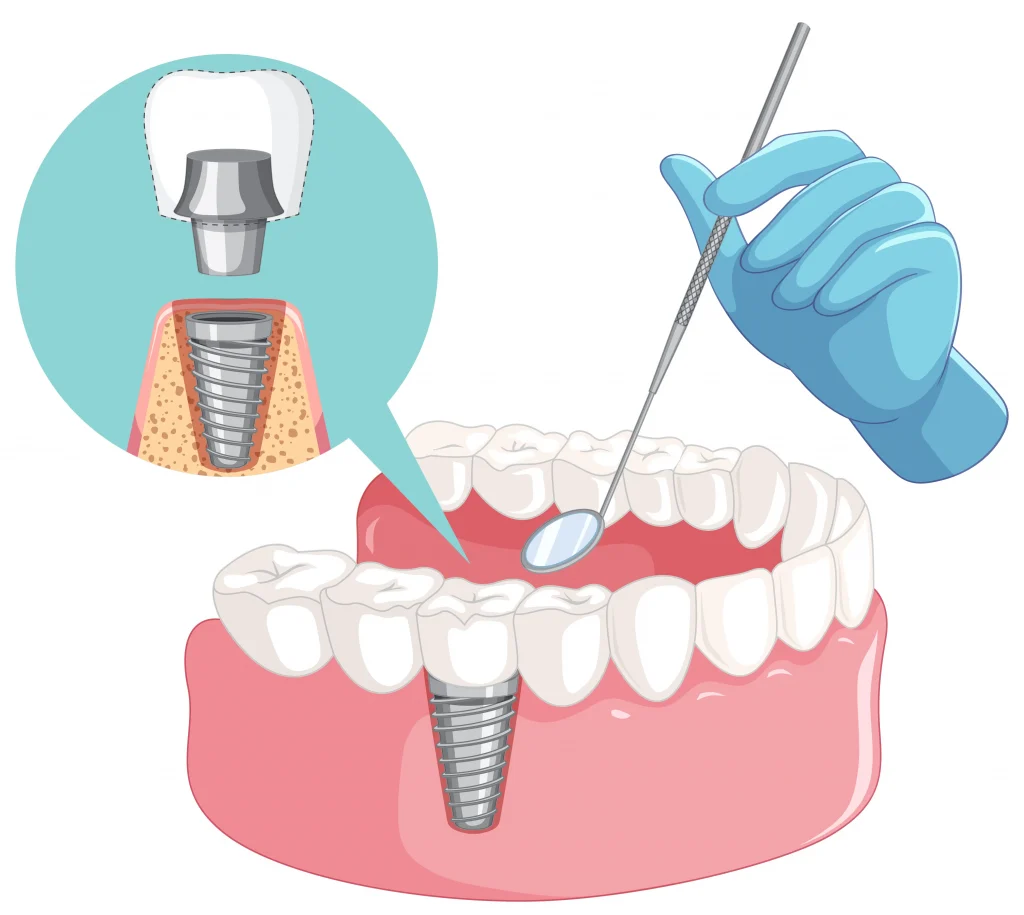
Dental Impact placement is a procedure where we position a small implant post in the jawbone to take the place of a missing tooth root. The implant then supports a restoration that brings back the look and function of your teeth.
Depending on what you need, an implant can support:
- A crown. This replaces a single missing tooth.
- A bridge. This replaces several missing teeth.
- An implant-supported denture. This is a denture that gets part of its support from implants.
After we place the implant, it needs time to fuse with the bone around it before we attach the final restoration. The timeline depends on your bone health, where the implant goes, and whether you need any extra procedures.
Who is a candidate for implants?
Implants may be an option for adults who have lost one or more teeth and want a stable replacement. Not everyone is ready for an implant right away, though. An exam tells us which treatments make sense for you.
We look at several things:
- Jawbone volume and quality. You need enough bone to support an implant. If you don’t, we may recommend a bone graft.
- Gum health. Healthy gums support the tissue around an implant. If you have gum disease, we may need to treat it first.
- Medical history. Some health conditions and medications affect healing and planning.
- Oral hygiene. Brushing, cleaning between your teeth, and regular dental visits keep both natural teeth and implants healthy.
- Your goals. The number and location of your missing teeth help decide whether a single implant, several implants, a bridge, or a denture fits best.
If you’re replacing one tooth, a single implant is one option. A traditional bridge or a removable partial denture may also be worth considering, depending on your situation.
What can implants do for you?
Implants are a replacement option built to restore chewing and the look of your smile. Depending on your oral health and your plan, they can offer several benefits:
- A natural look. We design a custom crown, bridge, or denture to blend with your smile and your existing teeth.
- Better chewing. Implants give replacement teeth a steady base, so eating can feel more comfortable once treatment is done.
- Help for your jawbone. Implants pass chewing force to the jawbone, which may help reduce the bone loss that follows the loss of a tooth root.
- No reliance on neighboring teeth. A single implant replaces a tooth without needing us to prepare the teeth beside it, as a traditional bridge does.
- Long-term support. When an implant is placed well and cared for, it can support replacement teeth for a long time.
- Choices for different needs. Depending on your case, an implant may support one crown, a bridge, or a denture.
What to expect during implant placement
Implant treatment usually happens in stages. We’ll explain the process and the timeline for your own plan.
1. We meet and examine you
At your first visit, we talk about your concerns, your medical history, and your goals. We examine your mouth and may take X-rays or other images to check the jawbone and plan the placement.
2. We plan your treatment
Once we’ve looked at your oral health, we decide whether implants are appropriate. If you don’t have enough bone or you have untreated gum problems, we may recommend more treatment first.
3. We place the implant
During the procedure, we put the implant post into your jawbone. We generally use local anesthesia, and the exact approach depends on how complex your case is. We’ll tell you what to expect beforehand.
4. You heal and the implant fuses with bone
After placement, the implant needs time to fuse with the bone around it. This process is called osseointegration. Healing time differs from person to person, and it can be longer if you need something like a bone graft.
5. We place the final restoration
Once the implant has healed enough, we can attach a crown, a bridge, or a denture, depending on your plan. We keep an eye on the implant and the tissue around it at follow-up visits.
How do you care for your implants?
Good cleaning habits and regular dental visits keep implants and the tissue around them healthy. An implant can’t get a cavity, but plaque can still harm the gums and bone around it.
To look after your implants:
- Brush twice a day with fluoride toothpaste
- Clean between your teeth and around the implant with floss or interdental tools that suit it
- Come to regular checkups and professional cleanings
- Follow our instructions about food, activity, and cleaning while you heal
- Don’t smoke, since it can interfere with healing and affect the implant’s health
Call us if you have pain that doesn’t go away or gets worse, swelling, bleeding, or any movement of the implant or its restoration. These symptoms need a look, and you shouldn’t wait them out.
FAQ
How long do dental implants last?
Implants can last many years. How long depends on your bone and gum health, your cleaning habits, your bite forces, your lifestyle, and regular dental care. The crown or other restoration may need repair or replacement over time.
Does every missing tooth need an implant?
No. Depending on your oral health and needs, an implant, a bridge, or a removable partial denture may all be options. We can help you compare them.
Is bone grafting always necessary before an implant?
No. Not every patient needs a graft. We may recommend one when the jawbone doesn’t have enough volume to support an implant. An exam and the right imaging tell us whether you need more bone support.
How long does implant placement take?
The placement appointment itself varies with how many implants you’re getting, where they go, and how complex the case is. Healing and fusing with the jawbone takes more time before we can attach the final restoration. After we examine your mouth, we can give you a timeline made for you.
Is implant placement painful?
We generally use local anesthesia to manage discomfort during the procedure. You may have some soreness, swelling, or tenderness afterward. We’ll give you aftercare instructions and advice on managing discomfort while you recover.
Schedule an implant consultation in Harrison, NY
Replacing missing teeth starts with knowing your options. A consultation at Saxon Woods Dental can show you whether implants suit your needs and what treatment would involve.
Call us at (914) 630-4980 to schedule a consultation about tooth replacement in Harrison.