Periodontal Care in Harrison, NY
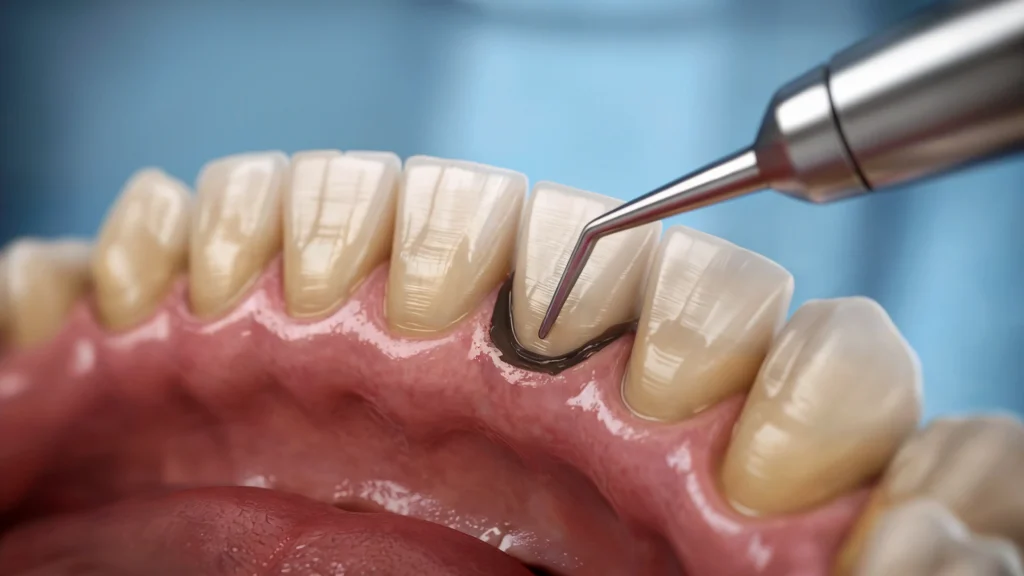
Gum problems tend to start quietly. Plaque and tartar settle along the gumline, the gums get irritated, and by the time anything hurts, the trouble has usually been building for a while. Left alone, gum disease can wear away the tissue and bone that hold your teeth in place.
At Saxon Woods Dental in Harrison, we look at your gums, treat gum disease, and help you keep your gums healthy between visits. Maybe they bleed when you floss, your breath won’t clear up, or your teeth seem longer than they used to. Come in, and we will figure out what’s going on.
What is periodontal care?
Periodontal care covers preventing, diagnosing, and treating problems with your gums and the structures around your teeth. That includes the periodontal ligament and the bone that keeps your teeth steady.
Depending on what we find, your care might include routine cleanings, a gum check, a deep cleaning called scaling and root planing, or periodontal maintenance. If the problem is more advanced, we may refer you for additional treatment.
Our aim is to calm the inflammation, clear up infection, and protect the tissue under your teeth so you can keep your natural teeth as long as possible.
Signs you may need periodontal care
Gum disease builds slowly, and early on it often doesn’t hurt. That’s why small changes are worth noticing. Catching them early gives you more options.
Here’s what to watch for:
- Gums that bleed when you brush or floss
- Gums that look red, puffy, or tender
- Bad breath or a bad taste that sticks around even with good brushing
- Gums pulling back from your teeth, so the teeth look longer
- Soreness or sensitivity along the gumline
- Teeth that feel loose, or a bite that feels different
Any of these can have more than one cause, so we’ll need to take a look. If you see ongoing bleeding, swelling, recession, or a loose tooth, book a visit now instead of waiting for pain.
What kinds of gum disease are there?
Gingivitis. This is the early stage. Plaque collects at the gumline and the gums turn red, swell, and bleed. With a professional cleaning and better brushing and flossing at home, gingivitis can often be reversed before it does lasting harm.
Periodontitis. This is the more advanced stage, and it affects the tissue that supports your teeth. You may get pockets forming around the teeth, gums that recede, and bone loss. Damage that’s already happened may not come back, but treatment can keep the disease in check and lower the chance of more loss.
With either one, an early diagnosis and regular follow-up make a real difference.
How do we treat gum disease at Saxon Woods Dental?
What we recommend depends on how healthy your gums are, how much plaque and tartar has built up, how deep your pockets measure, and whether the supporting tissue has been damaged.
1. Professional cleanings
A routine cleaning removes the plaque and tartar that brushing and flossing miss. It also lets us keep an eye on your gums, so we can spot early signs of gum disease.
2. Scaling and root planing (deep cleaning)
When gum disease has reached below the gumline, we may suggest a deep cleaning. We remove plaque and hardened tartar from under the gums and smooth the root surfaces, which gives bacteria less to cling to and helps bring down the inflammation.
This isn’t the same as a regular cleaning. It reaches areas that gum disease has already affected. Depending on what you need, we may spread it over more than one appointment.
3. Periodontal maintenance
Once your gum disease is under control, we’ll want to see you on a regular schedule so it stays that way. How often depends on your gums and how you responded to treatment.
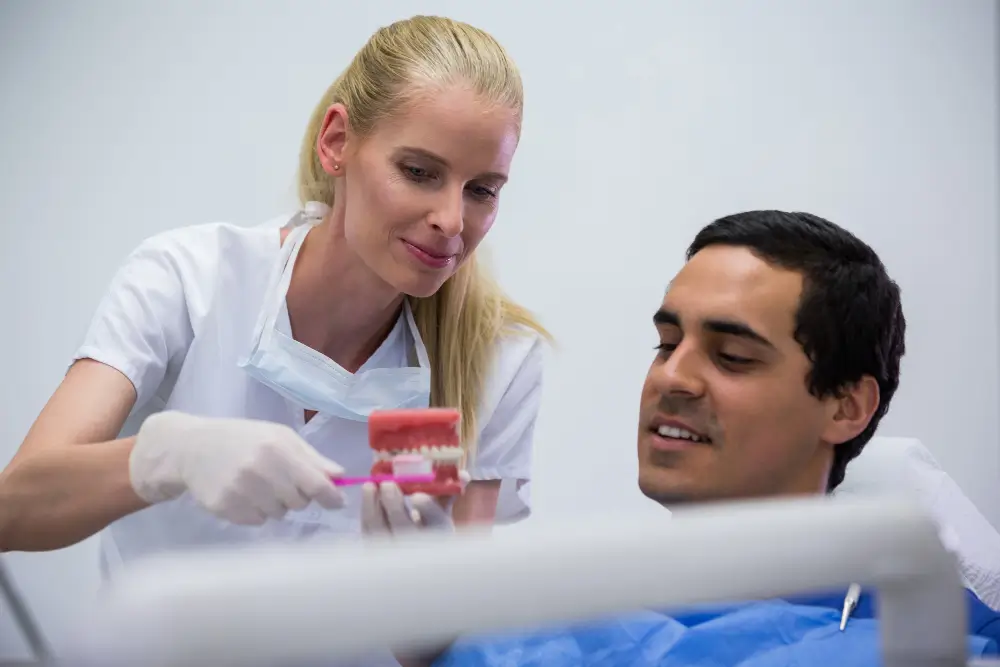
A maintenance visit can include cleaning the affected areas, checking your gums, and going over how to look after them at home.
4. Further treatment
Some cases need more than we can do in the office. We may suggest a referral to a periodontist for things like gum surgery or soft tissue grafting, which help with receding gums or damage to the tissue underneath.
We will explain what makes sense for you and tell you if we think a specialist should be involved.
What happens at a periodontal evaluation?
If your gums are worrying you, an evaluation tells us what’s happening and how far it has gone. Here’s how it goes.
Step 1: We talk. We ask about bleeding, swelling, sensitivity, bad breath, and receding gums, along with your dental and medical history.
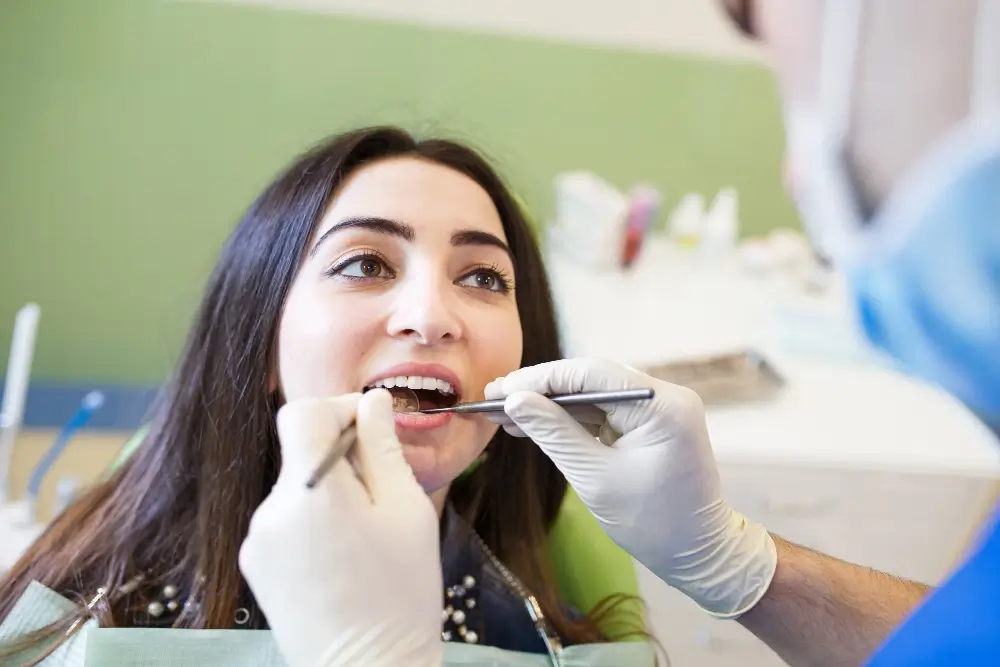
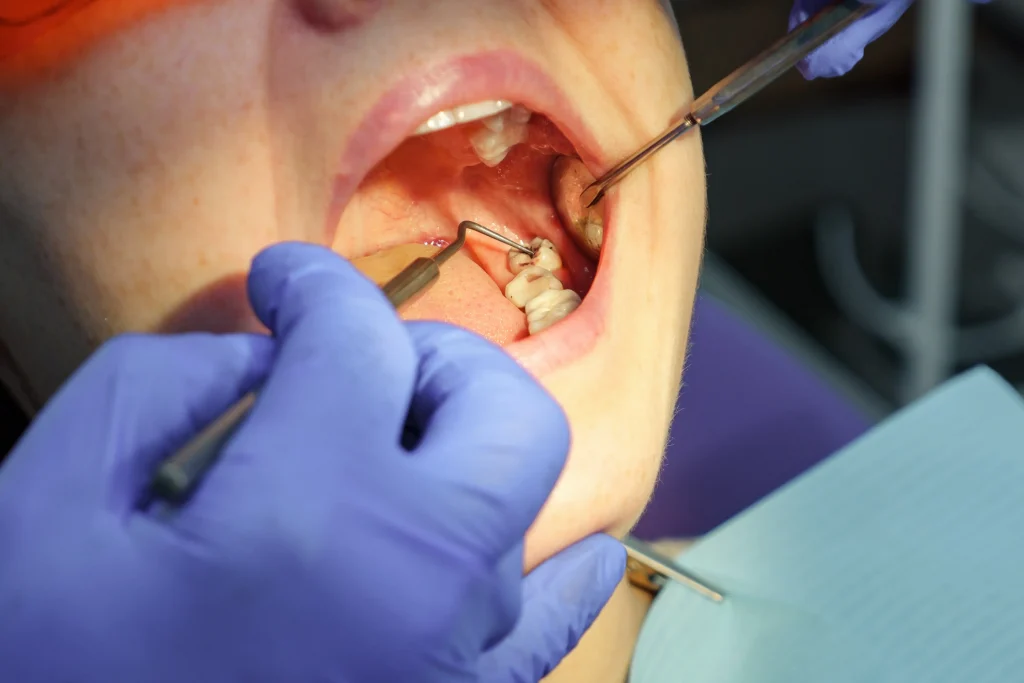
Step 2: We examine your gums. We look at their appearance, measure the spaces between your teeth and gums, and check how firmly your teeth sit.
Step 3: We look at the results. If we need to see the bone under your teeth, we may take X-rays.
Step 4: We go over a plan. We tell you what we recommend, how often we would like to see you, and what to do at home.
You should leave knowing the state of your gums and feeling comfortable with what comes next.
Why come to Saxon Woods Dental for periodontal care?
We offer general and preventive dental care at our Harrison office. We take time to explain what we see, so you understand your gums and your choices before you decide anything.
When you come in, ask us about your findings, what we recommend, and how to keep your results going at home. We’re happy to answer.
Saxon Woods Dental
550 Mamaroneck Avenue, Suite 110
Harrison, NY 10528
Phone: (914) 630-4980
Schedule a periodontal evaluation in Harrison, NY
Healthy gums make it easier to chew comfortably and keep your own teeth steady for years. Catching gum disease early and sticking with a care plan lowers the chance of further damage.
Call us at (914) 630-4980 and tell us what you’ve noticed. We’ll find you an appointment.
FAQ
Where can I get periodontal care in Harrison, NY?
Saxon Woods Dental is at 550 Mamaroneck Avenue, Suite 110, Harrison, NY 10528. Call (914) 630-4980 to talk about your gums and book a visit.
What are the early signs of gum disease?
Red, swollen, or bleeding gums, bad breath that won’t go away, and tender gums are common early signs. Gum disease can move along without much pain, so regular checkups matter.
Is periodontal treatment painful?
It depends on the treatment and on how sensitive you are. We can use local anesthesia for something like scaling and root planing. Tell us your concerns and we’ll talk about ways to keep you comfortable before, during, and after.
How is periodontal treatment different from a regular cleaning?
A regular cleaning removes plaque and tartar from the surfaces we can easily reach. Periodontal treatment goes after gum disease itself. That can mean cleaning under the gumline, treating pockets, and setting up ongoing maintenance visits.
Does dental insurance cover periodontal care?
It depends on your plan, the treatment you need, and your benefits. Check with your insurance provider, and call us so we can go over coverage and what you might pay out of pocket.