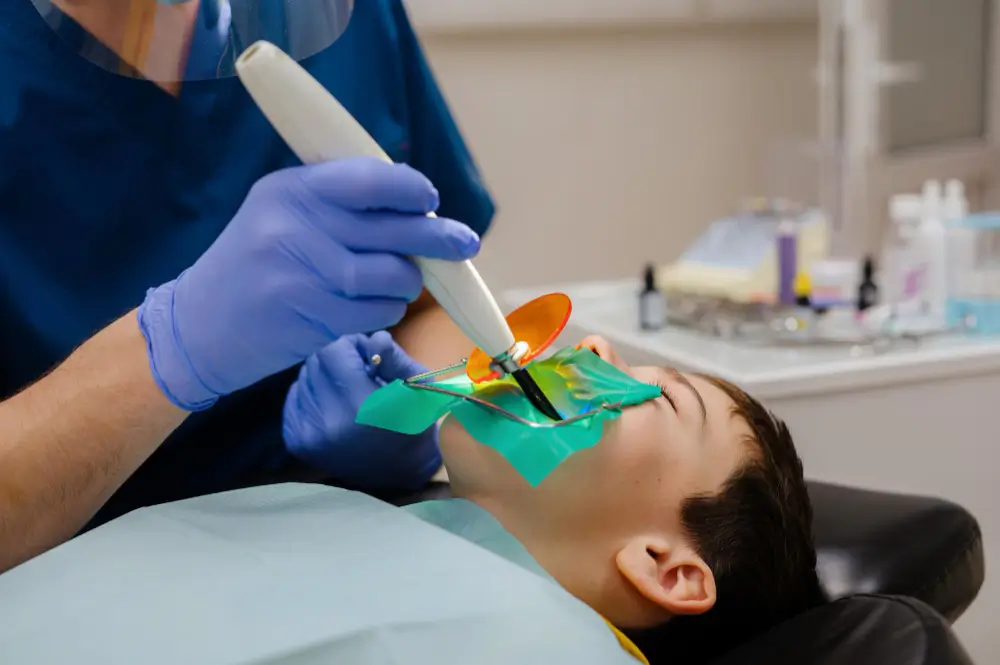
Vital Pulp Therapy in Harrison, NY
Preserve Your Natural Tooth at Saxon Woods Dental
The pulp is the soft center of a tooth. When it gets inflamed or damaged, the sooner we look at it, the better our chances of keeping the tooth. Vital pulp therapy is a way of treating the tooth while protecting living pulp tissue, when that’s a sensible thing to do. Depending on the tooth, it could mean a pulpotomy or another procedure that keeps the pulp alive.
We care about helping you hold on to your own teeth. If you have deep decay, a dental injury, or inflammation in the pulp, an exam can show us the cause and what your treatment options are.
If you are reading up on vital pulp therapy in Harrison, we can explain how it works, what it can do for you, and how it’s different from a root canal.
What Is Vital Pulp Therapy?
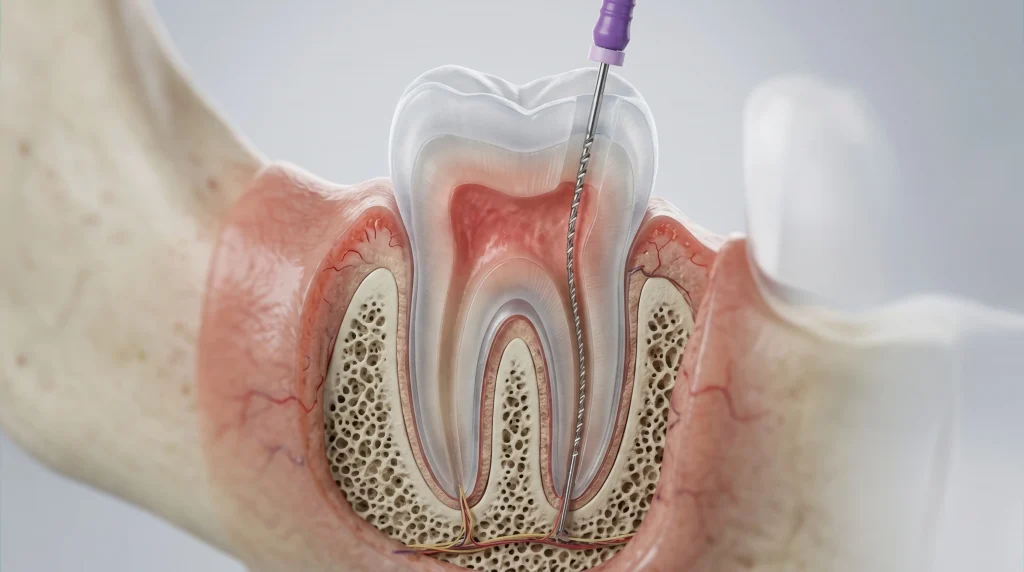
Vital pulp therapy involves a range of treatments that help preserve the pulp tissue inside your teeth. The pulp is a soft tissue layer at the center of the tooth that contains nerves, blood vessels, and connective tissue. This tissue plays a significant role in the tooth’s development and overall health.
If your pulp becomes inflamed or irritated, it might be possible to save the viable tissue. Which treatment option we choose depends on the extent of the damage, the state of the pulp tissue, the circumstances under which the damage occurred, and whether the tooth can be restored to full function.
Pulpotomy is one such treatment that helps save the pulp tissue. We carefully remove the damaged tissue from the crown of the tooth while leaving the healthy pulp in the roots intact. Depending on your diagnosis, we can also consider other available options for treating the pulp to keep your teeth healthy.
What Are the Benefits of Vital Pulp Therapy?
When a tooth is a good candidate, treatment that preserves the pulp can offer real advantages.
- Keeps natural tooth structure. We try to hold on to as many healthy teeth as we can.
- Keeps the pulp alive. In the right cases, saving healthy pulp helps the tooth stay vital.
- May help you avoid bigger treatment. Depending on the diagnosis, it can be an alternative to a root canal.
- Supports long-term function. If treatment works, your natural tooth can keep helping you chew normally.
- Take a conservative approach. We treat the affected tissue and keep healthy structures wherever we can.
How well it works depends on the condition of the tooth, the treatment we do and the quality of the final restoration. Vital pulp therapy isn’t right for every inflamed tooth.
When Is Vital Pulp Therapy Recommended?
We consider it when the pulp can still heal or keep working after treatment. Before we recommend a procedure, we look at your symptoms, our findings in the exam, and the right dental images. Situations where it might come up include:
- Deep decay that has reached the pulp or come close to it.
- Pulp exposed during dental treatment or after an injury.
- Certain traumatic injuries that involve the pulp.
- Some cases of pulp inflammation where saving healthy tissue makes sense.
We decide based on how severe the inflammation is, whether there’s infection, how developed the tooth is, and whether what’s left of it can be restored.
An exam matters here. Symptoms alone can’t tell us reliably what condition the pulp is in.
Vital Pulp Therapy vs. Root Canal Treatment: What Is the Difference?
Both treat problems with the pulp, but their goals differ, and so does how much pulp we treat.
With vital pulp therapy, we try to keep healthy, living pulp. A pulpotomy, for example, removes the affected pulp from the crown and leaves suitable pulp in the root canals.
A root canal usually removes the pulp from the whole root canal system. We then clean and disinfect the canals and seal them to deal with disease inside the tooth.
The right choice comes from the diagnosis, not just from what anyone would prefer. If we can’t preserve the pulp with confidence, we may recommend a root canal or another option. We’ll explain what each can do, where its limits are and what else you could choose.
What Happens During a Vital Pulp Therapy Procedure?
The details depend on the treatment you need and the condition of the tooth. A typical appointment goes something like this.
Dental Examination and Diagnosis
We go over your symptoms and dental history and examine the tooth. We may take X-rays too. All of this tells us whether treatment that keeps the pulp is a good fit.
Numbing the Tooth
We may use local anesthesia so you’re comfortable. Before we begin, we’ll tell you what to expect.
Treating the Affected Pulp
In a pulpotomy, we remove the affected pulp from the crown of the tooth. Then we look at the pulp that remains and may place materials that protect it and help it heal.
Sealing and Restoring the Tooth
We seal the treated area to keep bacteria out. Depending on the tooth and how much of it is left, the final restoration may be a filling or a crown.
We’ll explain which restoration we recommend and whether you’ll need more appointments or follow-up visits.
Vital Pulp Therapy Recovery and Aftercare
Recovery looks different from one procedure and tooth to the next. Some sensitivity or discomfort is normal for a short time. If it lasts or gets worse, please let us check it. To help the tooth heal:
- Follow the aftercare instructions we give you.
- Don’t chew hard foods on that tooth until we tell you it’s okay.
- Brush and floss gently, as we show you.
- Come to your follow-up appointments so we can see how the tooth is doing.
- Call us if you have more pain, swelling or anything else unexpected.
The tooth may need a lasting restoration to protect it from further damage. Even if you feel better, follow-up matters, because it lets us check on the tooth’s health and catch problems early.
Why Choose Saxon Woods Dental?
Choosing a dentist means understanding your diagnosis, your options and what it takes to keep your mouth healthy. At Saxon Woods Dental in Harrison, you can talk with us about your concerns and learn what your options are for your own situation.
Here is what we try to do for you:
- A personal evaluation. What we recommend should reflect your symptoms, what we find in the exam and what you need.
- Clear communication. When you understand what a procedure can and can’t do, you can decide with confidence.
- Saving your natural tooth. When it’s right for you, we look at whether healthy tooth structure can be kept.
- Follow-up care. We keep checking the treated tooth to see how it heals and whether it needs more care.
Not every tooth is a candidate for vital pulp therapy. When another procedure or a specialist is the better choice, we’ll base our advice on the tooth’s condition and its long-term outlook.
Frequently Asked Questions About Vital Pulp Therapy
Is a pulpotomy the same as a root canal?
No. A pulpotomy removes the affected pulp from the crown of the tooth and aims to keep suitable pulp in the roots. A root canal usually treats the pulp throughout the root canal system.
Is vital pulp therapy painful?
We may use local anesthesia to keep you comfortable. Some soreness or sensitivity can follow. If the pain gets severe or keeps getting worse, call us so we can take a look.
Can adults receive vital pulp therapy?
Yes. We may consider it for some adult teeth as well as certain developing teeth. It depends on the tooth’s condition, how far the pulp inflammation has gone and what else we find.
Will every tooth with inflamed pulp qualify for vital pulp therapy?
No. In some teeth, the damage or infection is too much to preserve the pulp. An exam and the right diagnostic tests tell us whether vital pulp therapy, a root canal or something else is the better choice.
Will I need a crown after a pulpotomy?
Not always. It depends on where the tooth is, how much of it is left and how likely it is to fracture. We may recommend a filling or a crown to protect the treated tooth.
How do I know if I need vital pulp therapy?
Sensitivity, pain or discomfort can point to a problem with a tooth, but they don’t tell us you need this treatment. We have to examine the tooth to find the cause and talk about your options.
Schedule a Vital Pulp Therapy Consultation in Harrison, NY
If you have deep decay, a dental injury, or worries about inflammation inside a tooth, an evaluation can make your options clearer. In some cases, we can save the living pulp, and vital pulp therapy may be a good fit.
Get in touch with Saxon Woods Dental in Harrison to talk about your concerns and request an appointment.
Ready to protect your natural tooth? Call (914) 630-4980 to talk with us at Saxon Woods Dental.